
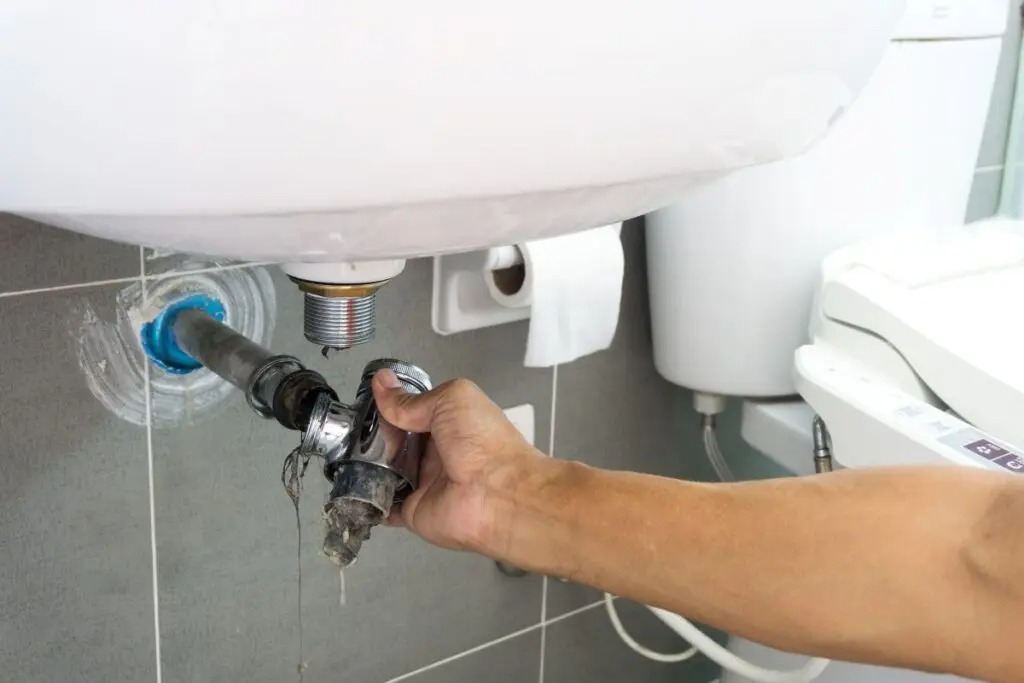
If a drain keeps becoming clogged, it can be a sign of something more severe than hair buildup or food residue. While sporadic blockages are typical in household plumbing, chronic drainage issues may be a sign of broken pipes, concealed obstructions, or failing sewer connections. Many homeowners try band-aid fixes without understanding that the real issue can be located many feet away from the damaged fixture. Understanding the difference between a simple obstruction and a more serious plumbing issue may help avoid needless costs, wastewater backups, and significant property damage.
Recurrent Blockages In Drains Might Be A Sign Of Structural Pipe Damage.
The physical state of the pipe, rather than typical debris buildup, might be the issue if the same drain gets blocked soon after cleaning. Rough inner surfaces, fissures, or misaligned joints that often trap waste items may occur in aging drainage pipes.
The amount of space within pipes may eventually be reduced by corrosion and mineral deposits. In these confined areas, even little particles of debris might become stuck and eventually cause another obstruction.
Expert Clogged Drain Repair Houston services can assist in determining if recurrent blockages are caused by accumulated garbage or broken plumbing parts. Removing debris won’t fix a damaged or failing pipe; instead, the fundamental issue must be addressed.
Intrusion Of Tree Roots May Cause Issues With Underground Drainage
Tree root incursion is especially dangerous for subterranean drainage systems. Wastewater may enter via even tiny gaps at pipe connections, and roots naturally gravitate toward dampness.
Roots may grow and create thick networks that collect grease, toilet paper, and other items once they get into a drainage pipe. Wastewater flow is increasingly restricted by this process, which may ultimately result in total occlusion.
Homeowners may hear strange noises coming from floor drains, see toilets flushing slowly, or see wastewater coming back through lower fixtures. When many plumbing fittings are utilized at once, these symptoms may become more apparent.
Although drainage may be temporarily restored by removing roots, broken pipe sections often need further repair to stop further intrusion.
Grease Buildup Is Not Limited To Kitchen Drains
Persistent kitchen drain clogs are often caused by cooking oils, fats, and greasy food residue. Grease may cool and stick to internal pipe surfaces even though it could enter the sink in liquid form.
Additional materials are trapped against these deposits as they go through the drainage system. The accumulation may eventually impact fixtures outside of the kitchen and spread into communal drainage pipes.
This explains why drainage issues in other parts of the property might sometimes be caused by a blockage that starts close to a sink.
Grease buildup may be minimized with regular maintenance and proper disposal, but deposits that have already formed can need specialist mechanical cleaning.
Main Sewer Line Restrictions May Be Revealed By Several Slow Drains
A single sluggish drain often indicates a localized blockage. However, if many fixtures have drainage issues at the same time, the main sewer connection or a shared branch line may be the problem. When a toilet flushes, for instance, wastewater may rise via the shower drain, indicating limited flow farther down the drainage system.
Because ongoing water use might put more pressure on the barrier and push wastewater into inhabited spaces, these issues need to be addressed right away. Before choosing the best repair technique, a skilled Clogged Drain Repair Houston specialist could suggest a camera examination to find the limitation and assess the pipe’s inside condition.
Persistent Drainage Failures May Result From Improper Pipe Slope
For effective wastewater transportation, drainage systems rely on gravity. Inadequately sloped pipes might cause water to flow too slowly, leaving behind solid debris. On the other hand, certain improperly sloped systems may provide adverse flow conditions that lead to recurrent deposits.
Sediment and standing water may also be collected by sagging pipes, often known as bellied pipes. Soil movement, insufficient support, or installation flaws might be the cause of these low areas.Slope issues often require fixing the impacted pipe segment rather than continuously removing accumulated garbage, in contrast to regular clogs.
Conclusion
It is not always appropriate to tackle stubborn drain obstructions as separate maintenance issues. Frequent clogs may indicate limits inside shared sewage lines, subterranean root infiltration, pipe corrosion, or an incorrect drainage slope. By being aware of these options, homeowners are encouraged to look into persistent ailments rather than depending only on short-term fixes. Reliable wastewater flow may be restored while shielding the plumbing system from more significant issues with prompt diagnosis, suitable repairs, and good drainage practices.